Steel Production, CO2 Emissions and Why Stainless Steel Is the Sustainable Choice
The process of making iron and steel creates CO2 emissions through the use of fuel for energy and the use of coke and limestone. Understanding this environmental impact is crucial for making informed material choices in architecture, building and construction.
How Steel Is Made
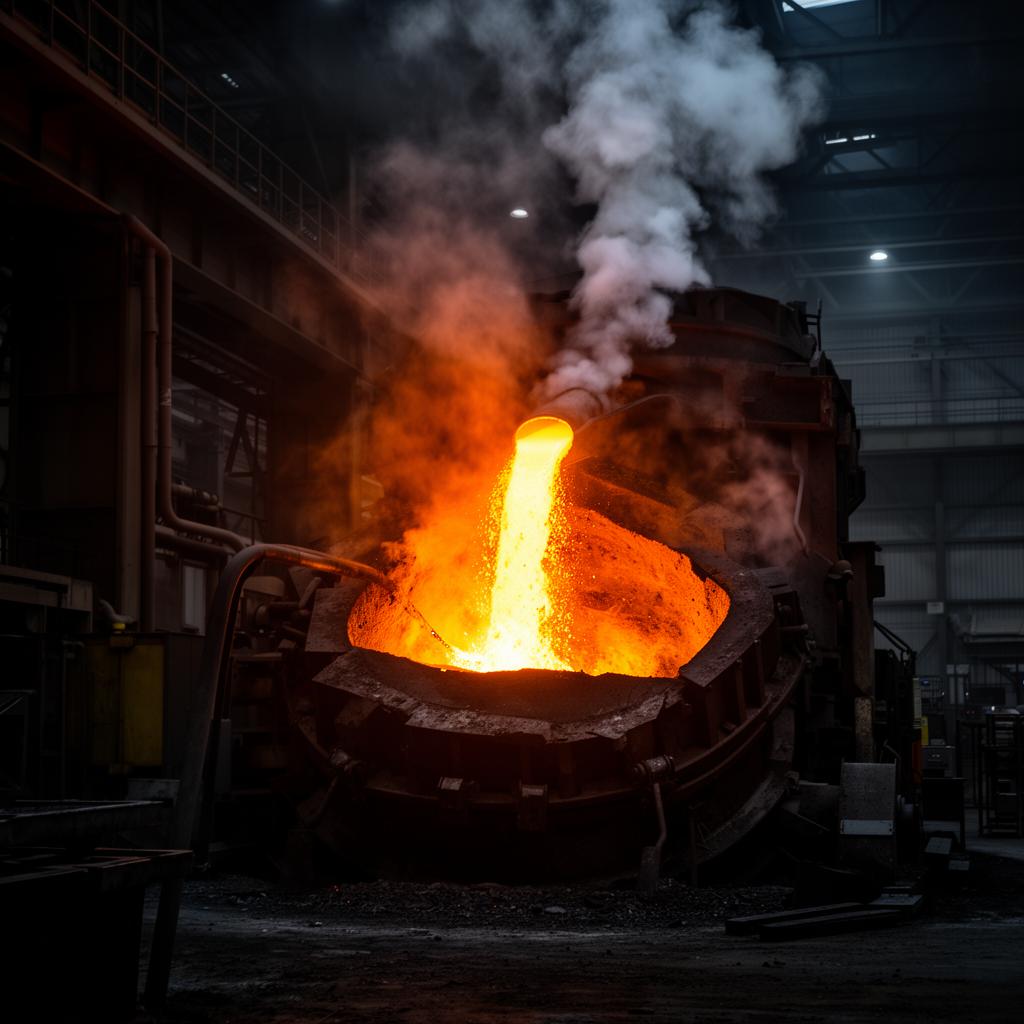
Steel production begins in the blast furnace, where iron ore is combined with coke (a carbon-rich fuel derived from coal) and limestone. The coke serves two purposes: it provides the intense heat needed to melt the ore and acts as a chemical reducing agent to separate iron from oxygen. Limestone is added as a flux to remove impurities. This process inevitably produces carbon dioxide as a byproduct.
The molten iron is then refined in a basic oxygen furnace or electric arc furnace to produce steel. Each stage consumes significant energy and generates emissions—making the steel industry one of the largest industrial sources of CO2 globally.
The Environmental Cost
Global steel production accounts for approximately 7–9% of all direct CO2 emissions from fossil fuels. For every tonne of steel produced, roughly 1.8 tonnes of CO2 are emitted. This stark reality has driven the industry to explore cleaner production methods, including hydrogen-based reduction and increased use of electric arc furnaces powered by renewable energy.
Why Stainless Steel Remains the Sustainable Choice
Despite the emissions generated during production, stainless steel stands apart as a sustainable material when assessed across its full lifecycle. Here's why:
Infinite Recyclability
Stainless steel is 100% recyclable without any degradation in quality. It is estimated that about 80% of stainless steels are recycled at the end of their life. Because stainless steel has a high intrinsic value, it is collected and recycled without any economic incentives from the public purse—the market drives its recovery naturally.
Exceptional Longevity
A stainless steel installation can last 50–100 years or more with minimal maintenance. This extraordinary lifespan means the embodied carbon from production is amortised over decades, dramatically reducing the per-year environmental impact compared to materials that need frequent replacement.
Energy Conservation in Buildings
Stainless steel comes with a highly solar reflective index value that does not need to be applied and reapplied. It is a characteristic embedded into the metal, meaning you do not have to waste time, money and material on reapplying and replacing coatings to ensure energy conservation. This inherent property helps buildings reduce cooling costs and energy consumption.
Low Maintenance, Low Impact
Unlike many building materials that require regular treatments, coatings or replacements, stainless steel's corrosion-resistant properties mean fewer resources are consumed over its lifetime. The chromium content forms a self-healing protective oxide layer, ensuring the material remains durable without chemical treatments.
Architecture, Building & Construction Applications
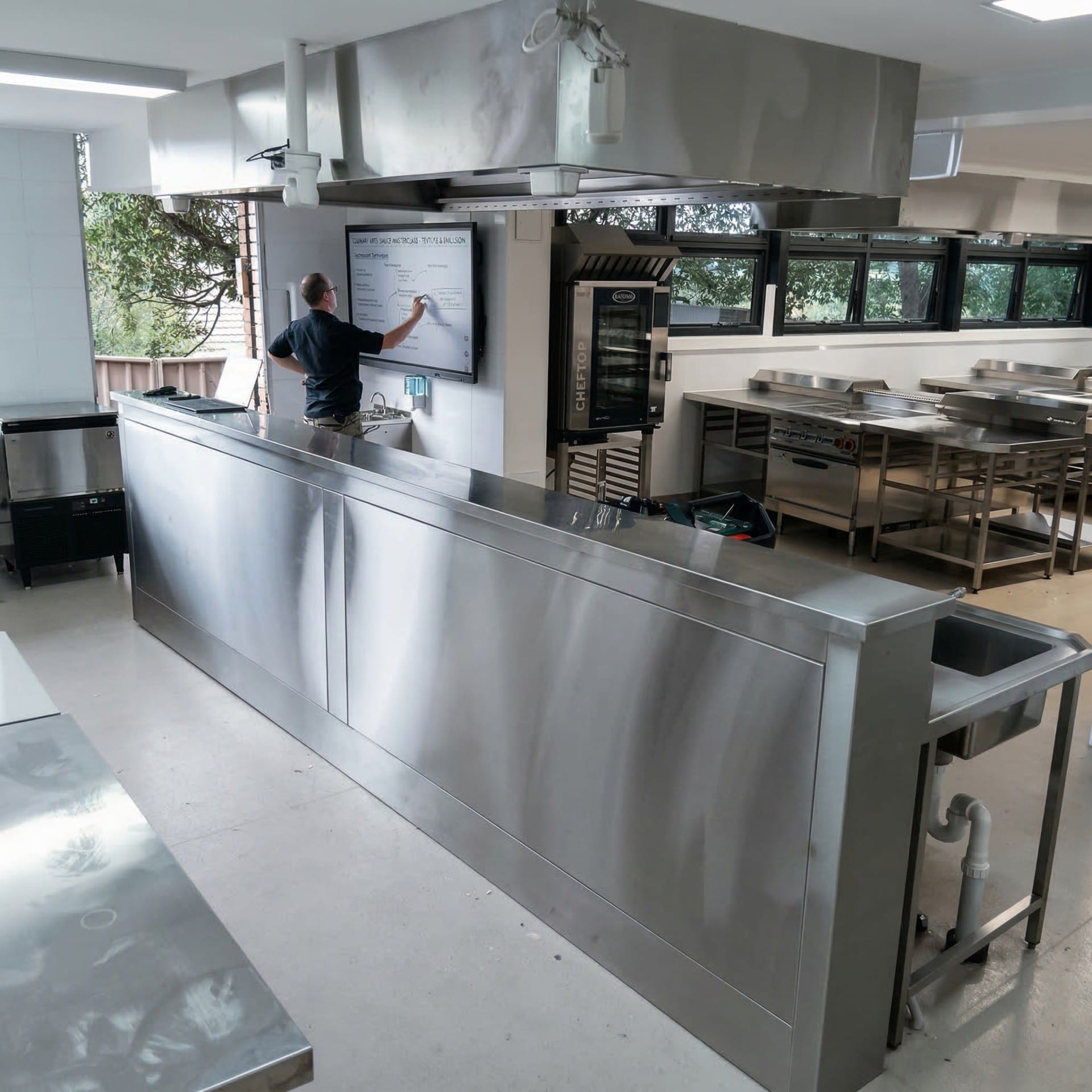
Architecture, building and construction is a growing market as many modern buildings use stainless steels for cladding, roofing and facades. The low maintenance cost and anti-vandal characteristics of stainless provides a growing market in public transport, ticket machines and street furniture.
Stainless steel reinforcing bar, although initially more expensive than carbon steel, is proving to have very good life cycle costing characteristics. Traditional carbon steel reinforcement in concrete can rust when exposed to salt and acidic conditions, causing the steel to expand and crack the concrete. Stainless steel eliminates this problem entirely.
The AMSS Group Commitment
At AMSS Group, we're committed to responsible material use. We source quality stainless steel, minimise waste through precision CNC laser cutting, and recycle all offcuts. By choosing stainless steel for your project, you're investing in a material that delivers exceptional performance today while minimising environmental impact for generations to come.
Published by AMSS Group — The region’s leading metal fabrication specialists.