Custom Metal Fabrication: From Solid Metal to Sculptural Form
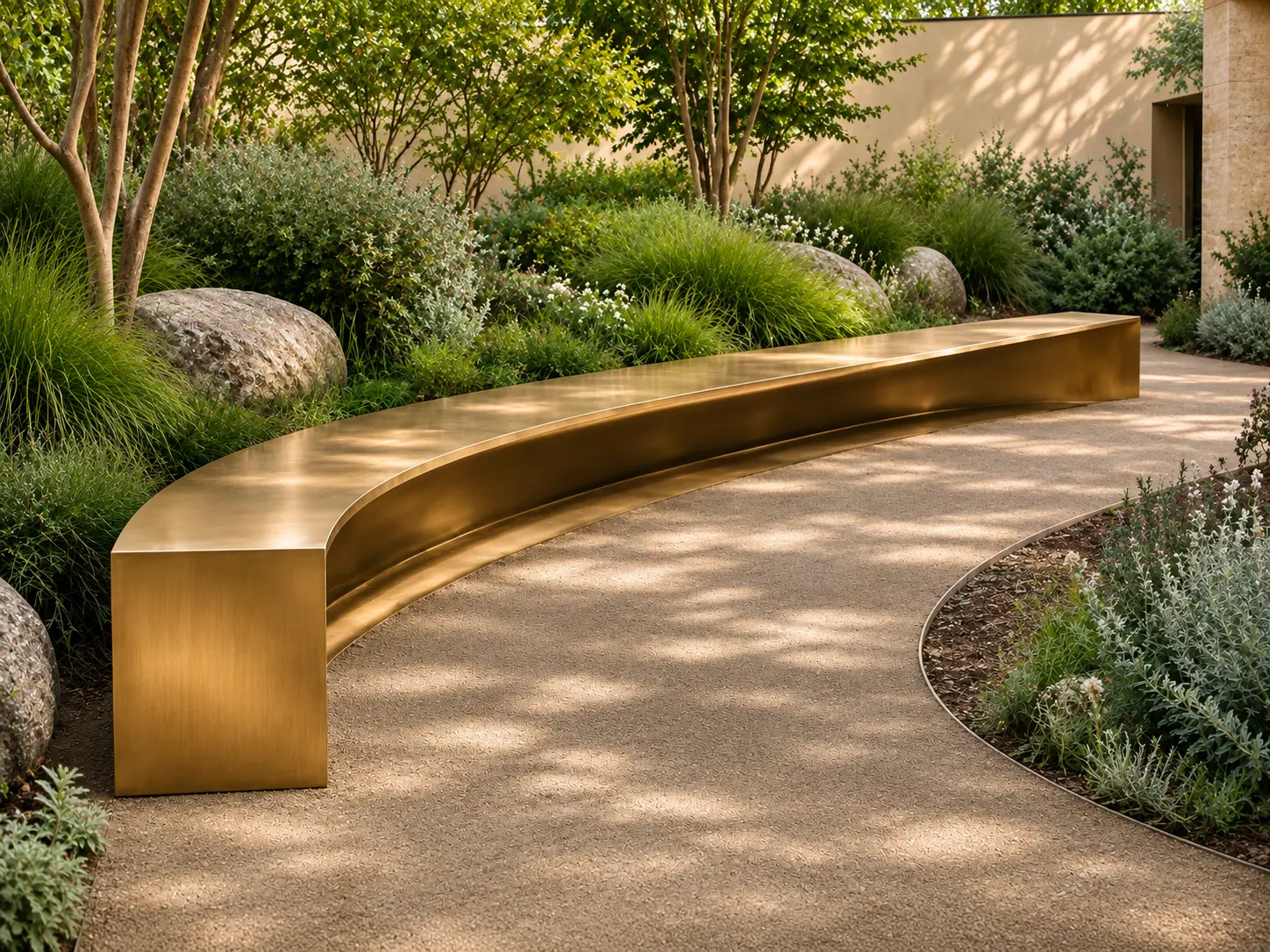
A sweeping brass seat. A curved metal feature that follows the landscape. A sculptural installation with carefully aligned joints and a surface that invites people to look closer.
Architectural metalwork can appear effortless when it is finished. Behind that simplicity is a detailed process of material selection, fabrication planning, specialist forming, welding and hand-finishing.
For intricate, large-scale projects, every decision matters. The challenge is to preserve the designer’s vision while resolving how each component will be made, connected, transported and installed. At AMSS Group, that connection between design intent and practical craftsmanship sits at the heart of our custom metal fabrication and architectural metalwork.
Translating a design into something that can be built
An architectural concept establishes the form and character of a piece. Fabrication detailing determines how that concept becomes a finished installation.
A continuous curve raises questions that may not be obvious in the initial drawings. Where should the sections meet? How will the supports connect? Can the fixings be concealed? How will the assembly accommodate site conditions?
Shop drawings document dimensions, profiles, joint locations, material thicknesses and fixing arrangements. For complex work, a full-size prototype or sample assembly can help assess proportions, connections, surface finishes and fabrication practicalities before production.
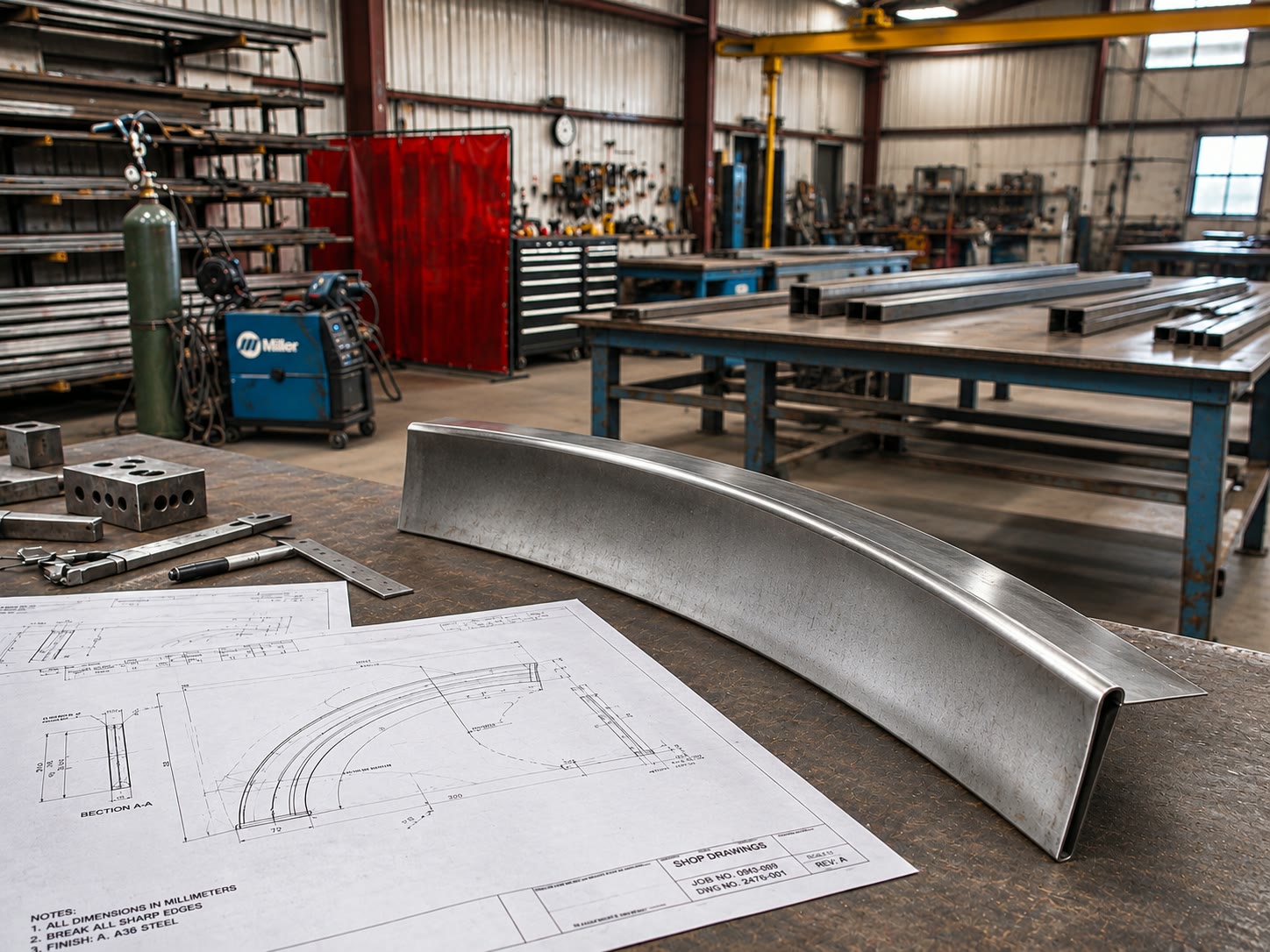
This early work gives architects, designers, builders and fabricators a shared understanding of the result.
Choosing the metal for the form and finish
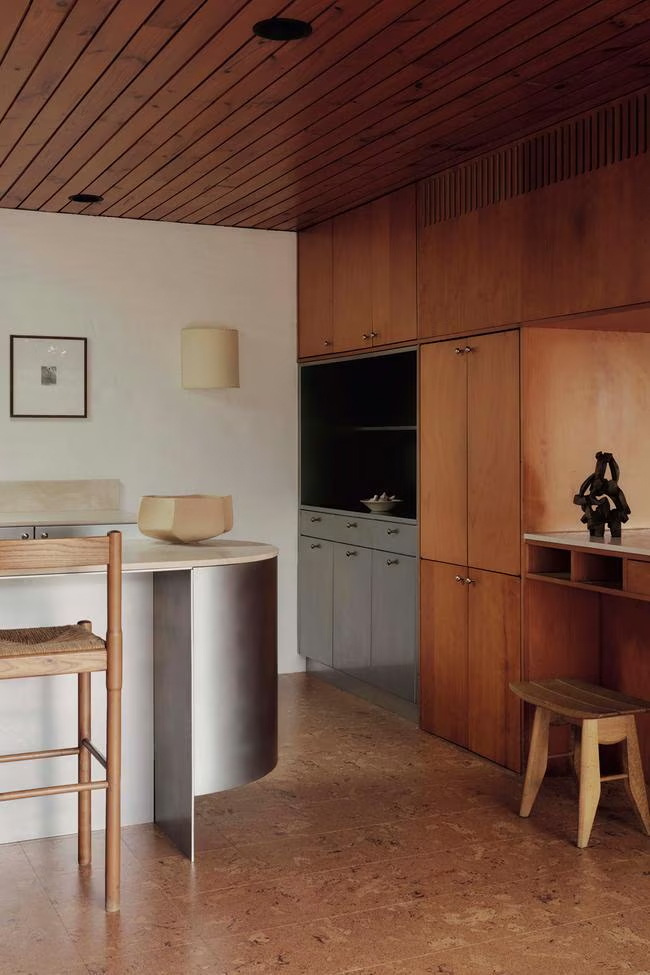
Material selection influences far more than colour. Brass, copper, bronze, stainless steel and aluminium each bring a different character to architectural work. The choice also affects forming, joining, finishing and the completed piece’s response to its environment.
Brass fabrication is particularly expressive in sculptural furniture and feature metalwork. Warm tones sit comfortably alongside stone, concrete, timber and planting. Stainless steel fabrication offers another visual direction, with satin or polished surfaces that respond differently to surrounding light and materials.
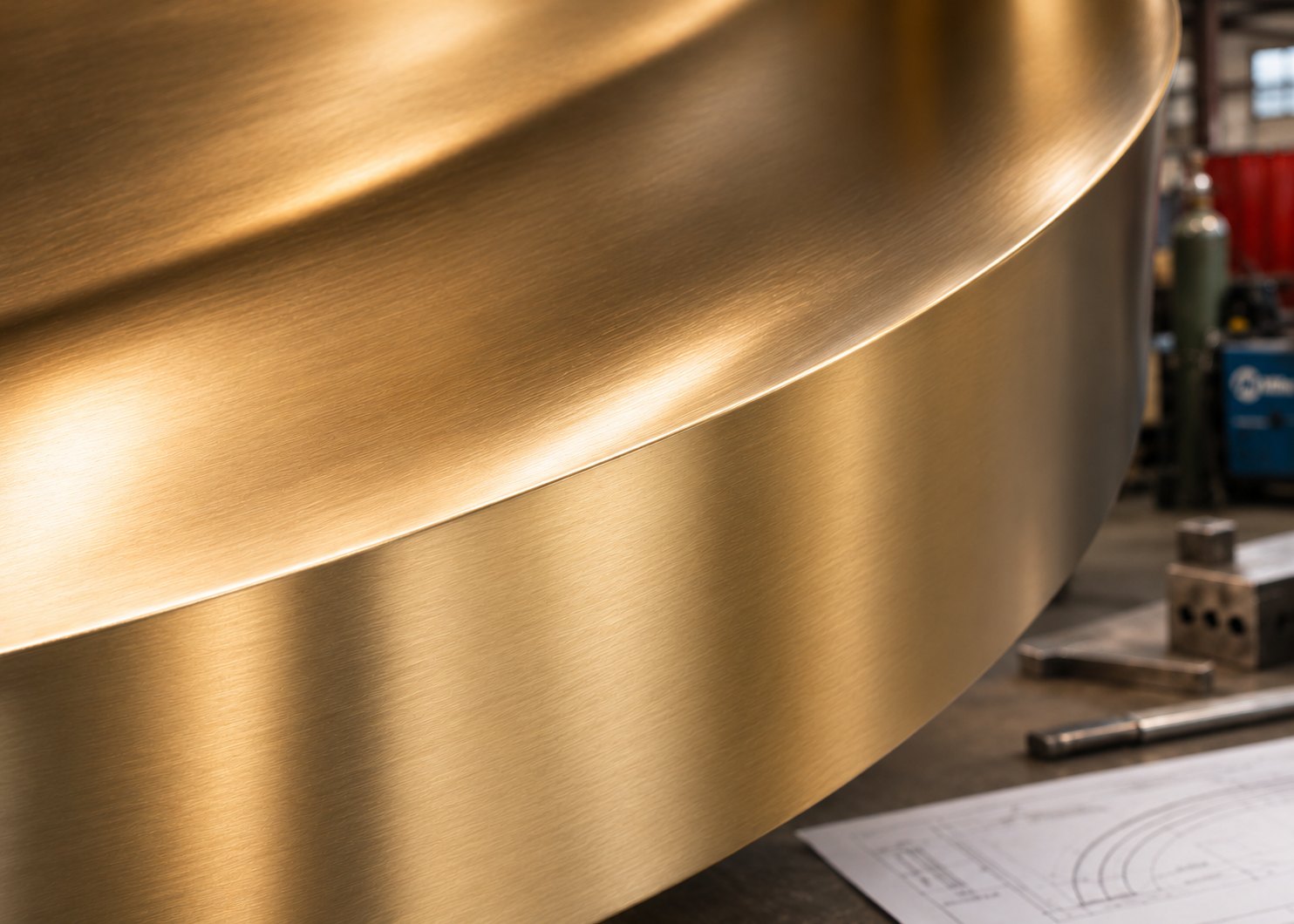
The specification needs to go beyond naming the metal. Alloy, temper, thickness and available material sizes influence the approach. Different components may require different properties, so the grade should suit the role of each part. A seat plate, curved backrest and supporting leg can look like one continuous design while presenting different fabrication challenges.
Creating curves with control
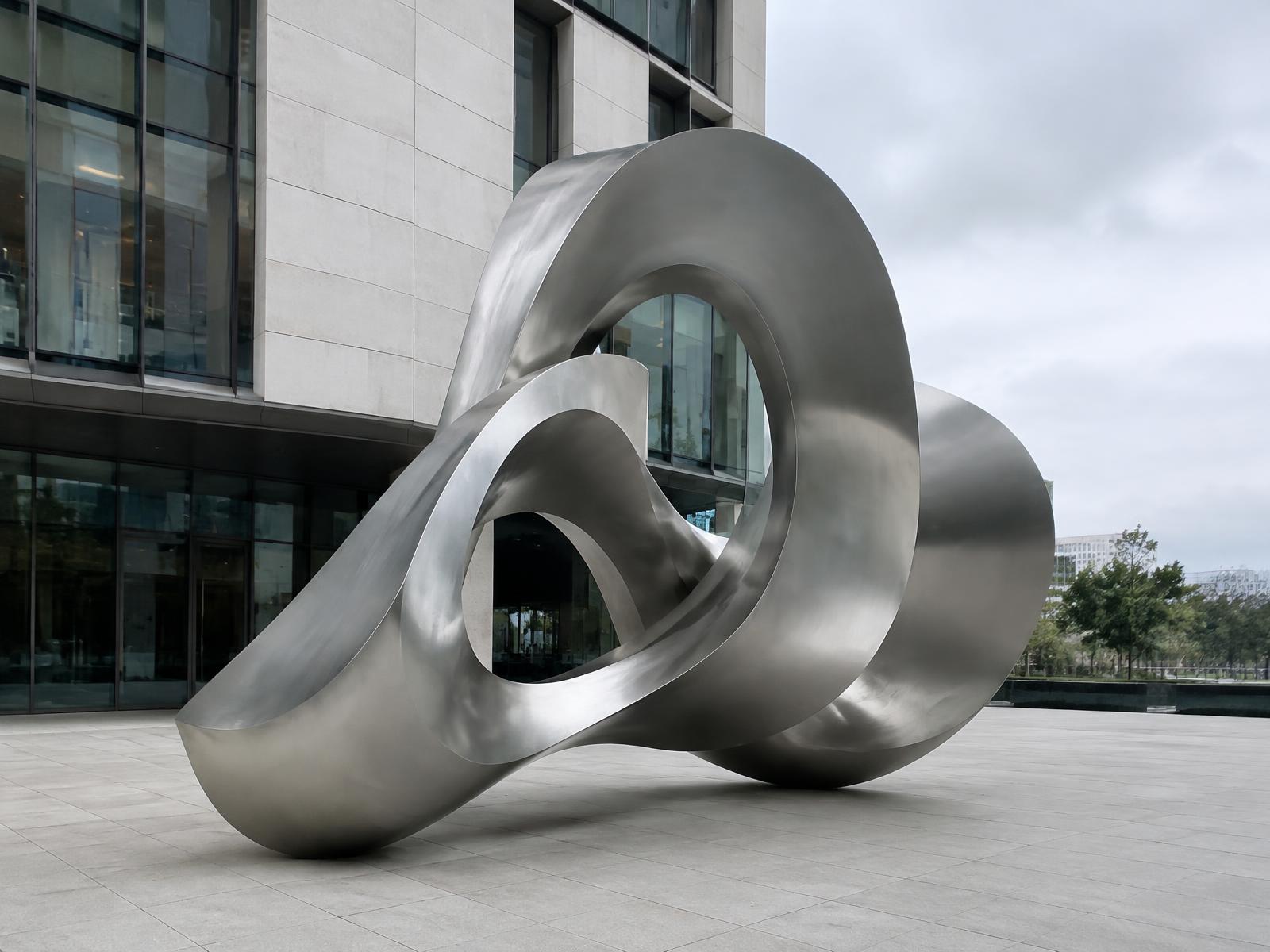
A simple rolled curve differs from a conical form, where the geometry tapers. As shapes become more intricate, the relationship between the developed cutting pattern, forming process and final assembly becomes increasingly important.
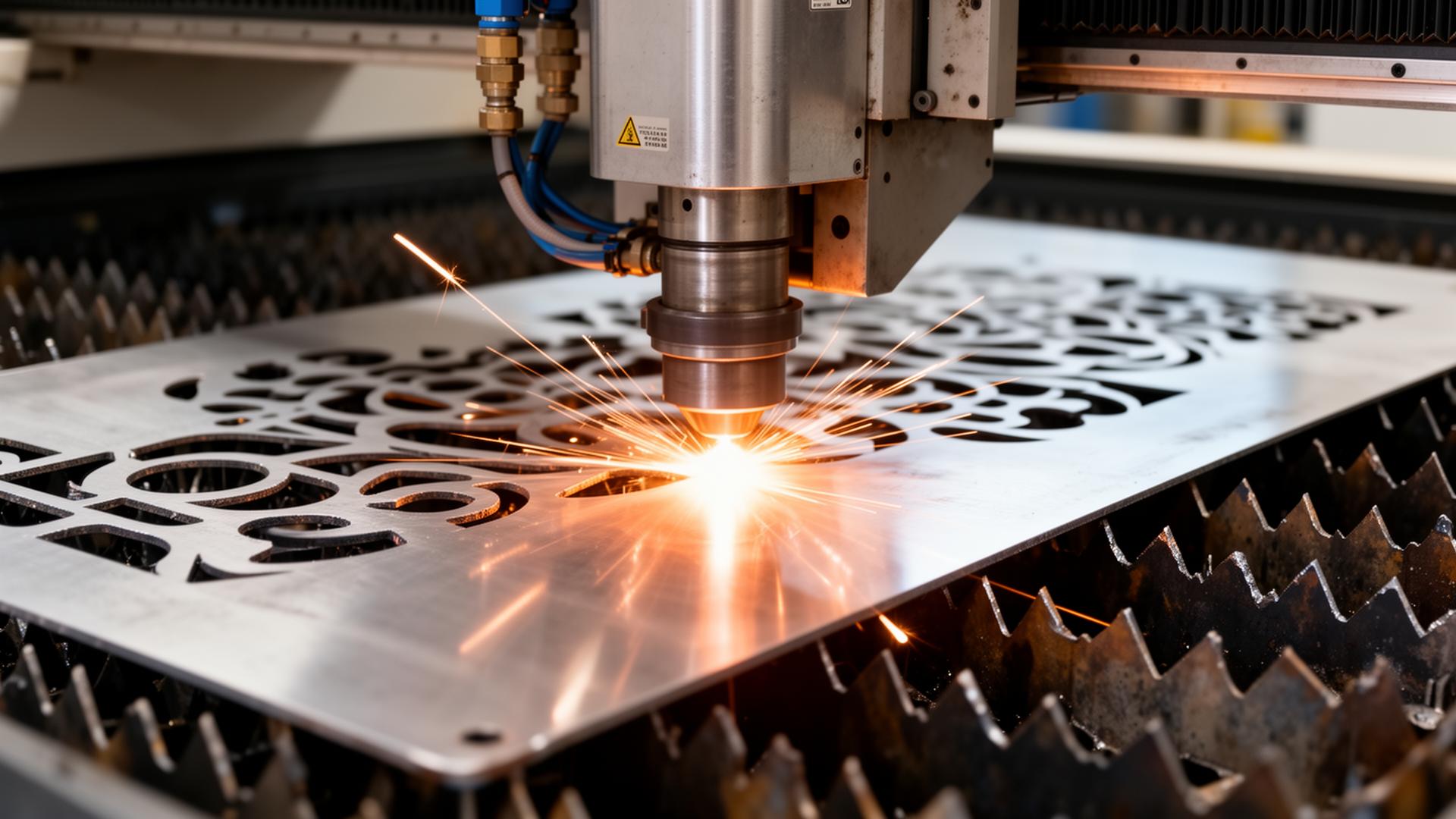
Adjacent sections need to meet cleanly, with consistent profiles and controlled alignment. Depending on the design, production may involve precision cutting, rolling, press brake forming, specialist forming services and custom jigs. These jigs hold components in position during assembly and help maintain repeatability.
On a large installation, small discrepancies can become noticeable across the overall length. Careful checking throughout production helps preserve the intended flow.
Resolving the joints behind the finished surface
Architectural metalwork must perform structurally while meeting a demanding visual brief. Connections need to suit the loads and intended use. They also influence how the finished piece is experienced.
An exposed weld, uneven junction or awkward fixing can interrupt a carefully resolved design. Heavy brass fabrication requires particular attention to the joining method. Alloy composition and plate thickness influence the welding procedure, heat input and whether preheating is appropriate. Trial joints can help establish a suitable approach before work begins on finished components.
Fit-up, welding sequence and distortion control are part of that planning. So is understanding how the joined area will be dressed and finished afterwards. The best results come from considering fabrication and appearance together.
Turning industrial material into a tactile finish
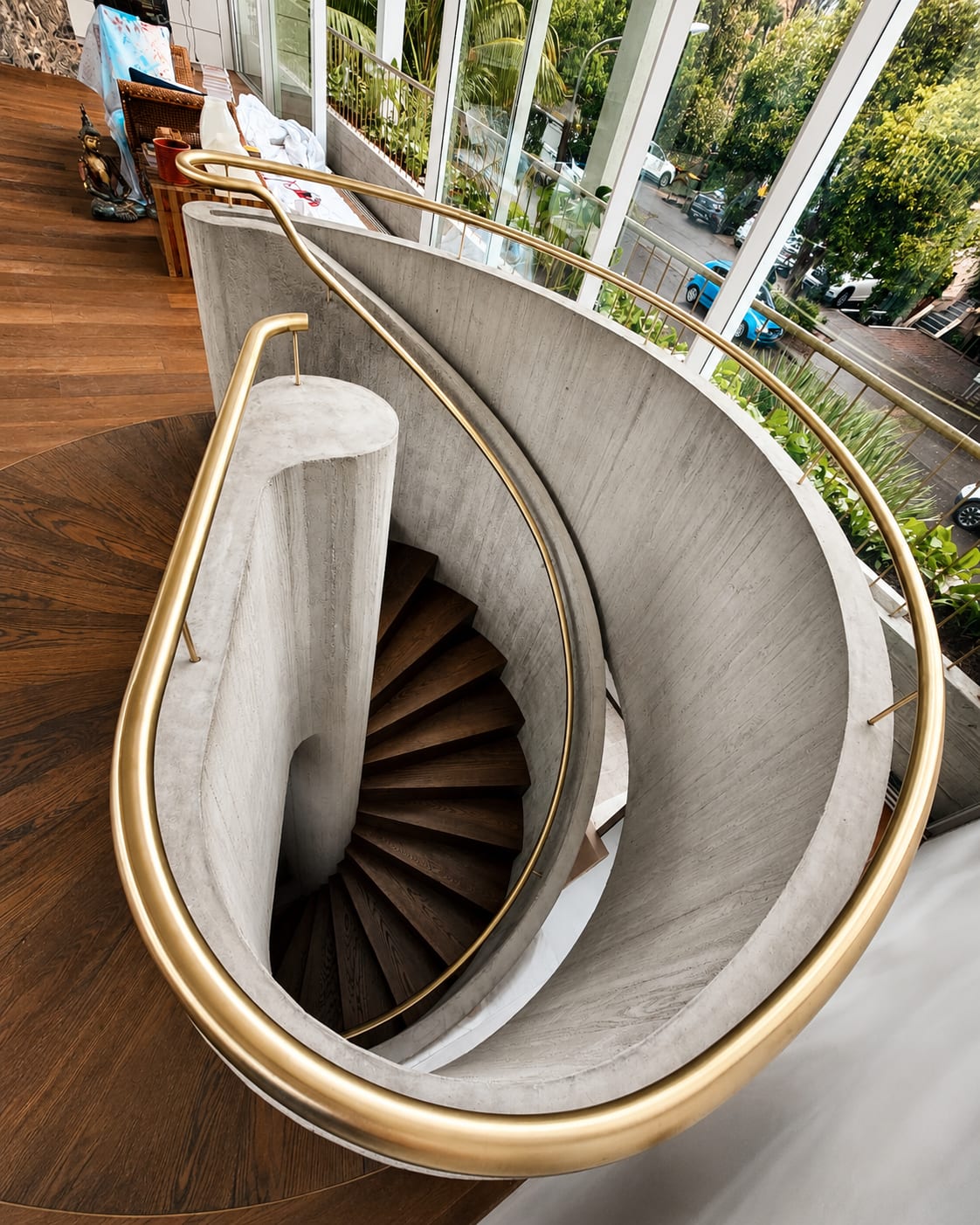
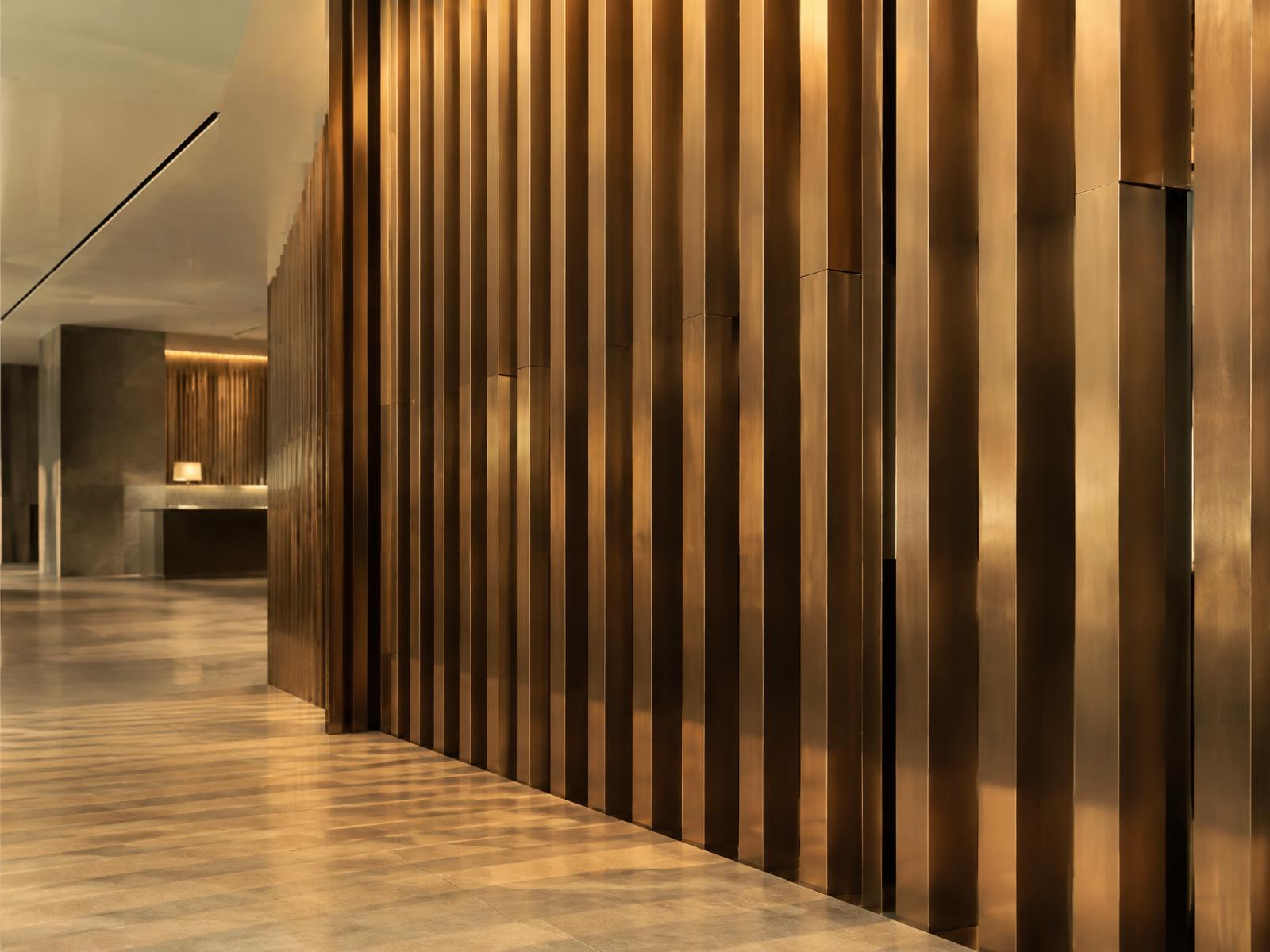
Raw plate and formed sections are only the starting point. Seating, handrails and feature elements are experienced at close range. People see surfaces in changing light, run their hands along edges and notice how sections meet.
Grinding, dressing, sanding and polishing require the same care as cutting and welding. Edge profiles need to feel comfortable. Visible surfaces need consistent treatment. Finished components need protection during handling and transport.
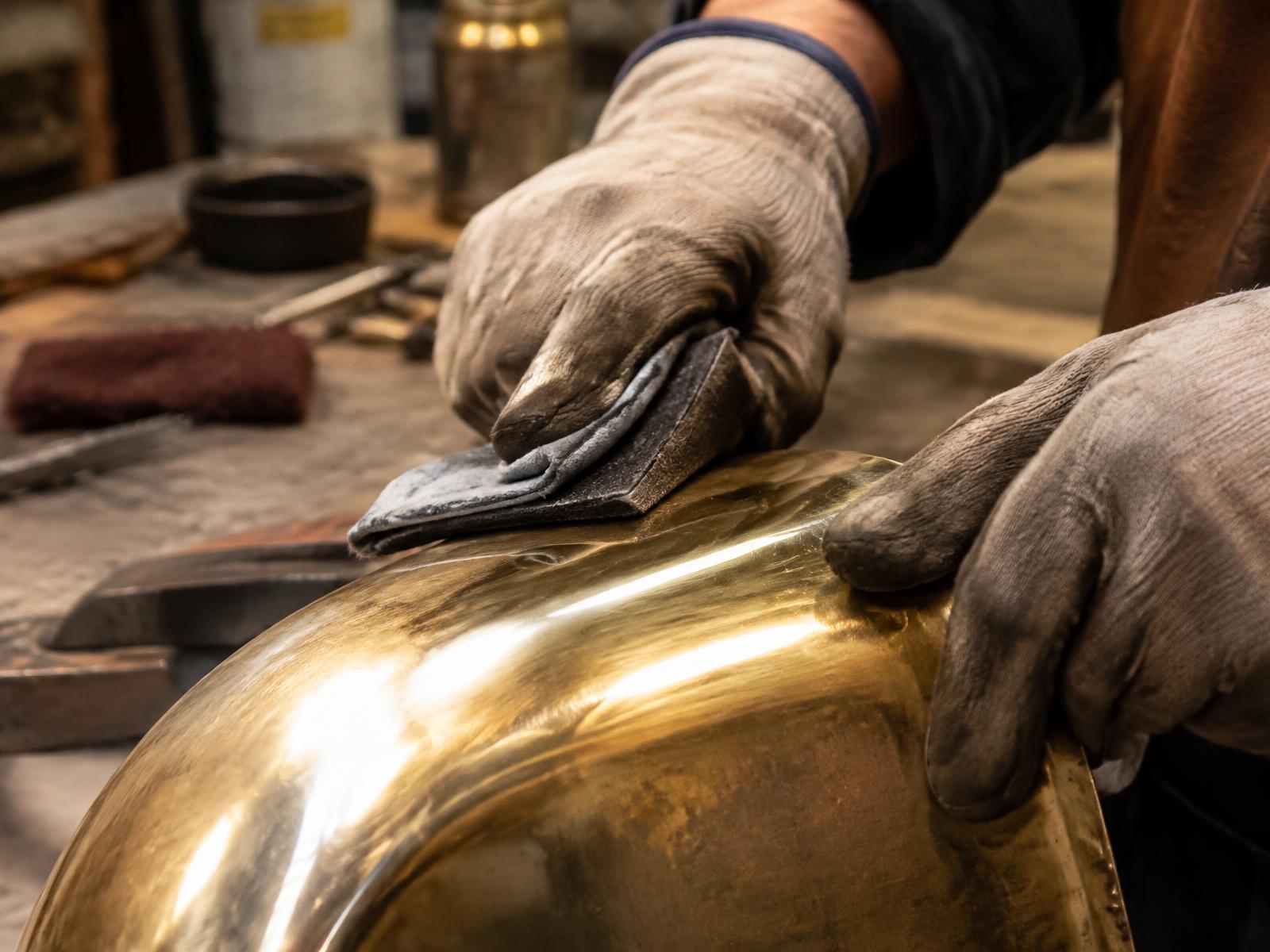
Finish samples establish the intended appearance, whether a restrained satin surface, brighter polish or deliberately aged finish. For brass and copper, the discussion also includes patina. Where left uncoated, their appearance evolves with exposure and use. That changing character can be intentional, supported by an agreed care and maintenance approach.
Planning for scale, access and installation
Large-scale metal fabrication extends beyond the workshop. Section sizes must account for transport, lifting and access. Connection details need to support the installation sequence. Base plates and fixing positions must coordinate with surrounding construction.
Where practical, workshop trial assembly helps check alignment before delivery. Early planning reduces adjustment around finished paving, landscaping, walls and other trades. The final installation should read as one cohesive piece, even when delivered in multiple sections.
Custom metal fabrication for Sydney and the Illawarra
Successful architectural metalwork combines design, material knowledge and skilled fabrication. Accurate detailing, controlled forming, carefully resolved connections and patient finishing allow a substantial installation to feel refined.
Based in Wollongong, AMSS Group works with architects, designers and builders seeking metal fabrication in Sydney, the Illawarra, the Southern Highlands and the South Coast, creating custom metalwork for architectural, commercial and residential settings.
Frequently asked questions
What is the difference between metal fabrication and architectural metalwork?
Metal fabrication is the broad process of cutting, forming and joining metal. Architectural metalwork applies that process to visible building and landscape elements, where appearance, finish and alignment matter as much as structure.
Which metals suit sculptural architectural features?
Brass, bronze, copper, stainless steel and aluminium are all used. The right choice depends on the form, the finish you want, the environment and how the piece will be joined and maintained.
Do you need finished drawings before starting a custom metal fabrication project?
No. Sketches, concept drawings or material ideas are a good starting point. Shop drawings and samples are then developed to resolve dimensions, joints and finishes before production.
Start your project
Planning a complex architectural metalwork project? Share your drawings, sketches or material ideas with AMSS to discuss fabrication, finishes and the path from concept to installation.
Published by AMSS Group — The region’s leading metal fabrication specialists.